





10 Tips for Your Perfect Start to the Season on the Stream & River
The closed season is coming to an end, the days are getting longer and the anticipation of the new trout season is growing with the first warm rays of Sunshine. Especially after the winter break, it is worth checking and preparing your own equipment thoroughly. If you invest a little time now, you'll get off to a more relaxed start, fish more efficiently - and simply enjoy the water more.
In this article, we give you ten tips to help you start the season optimally prepared.

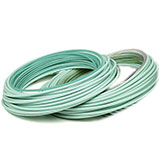
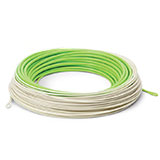
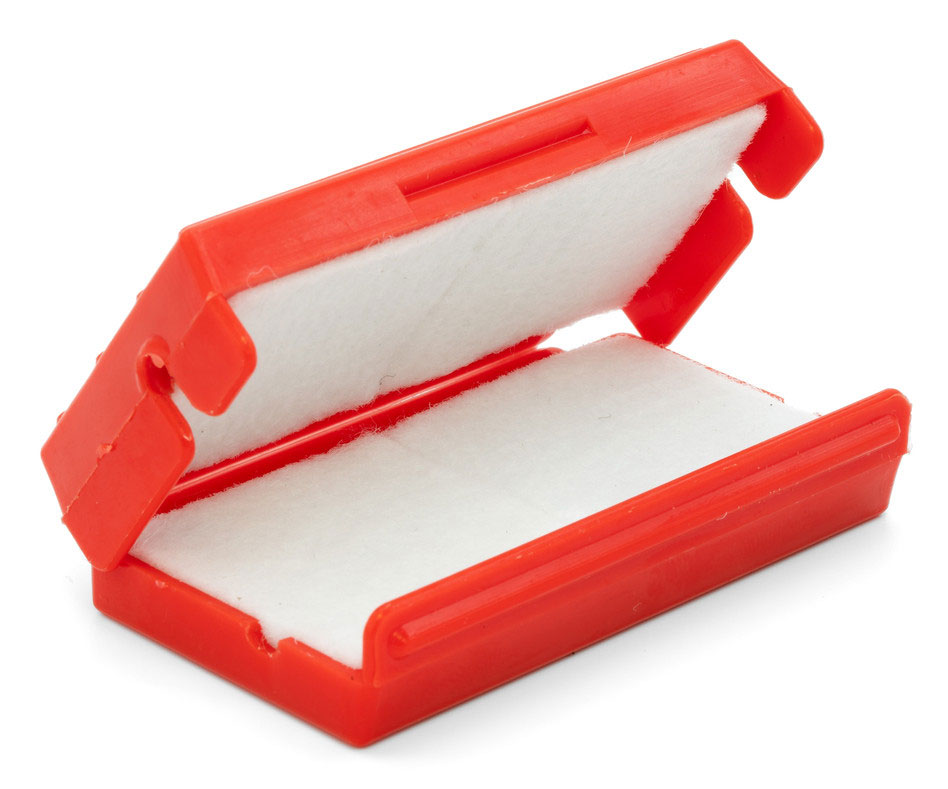
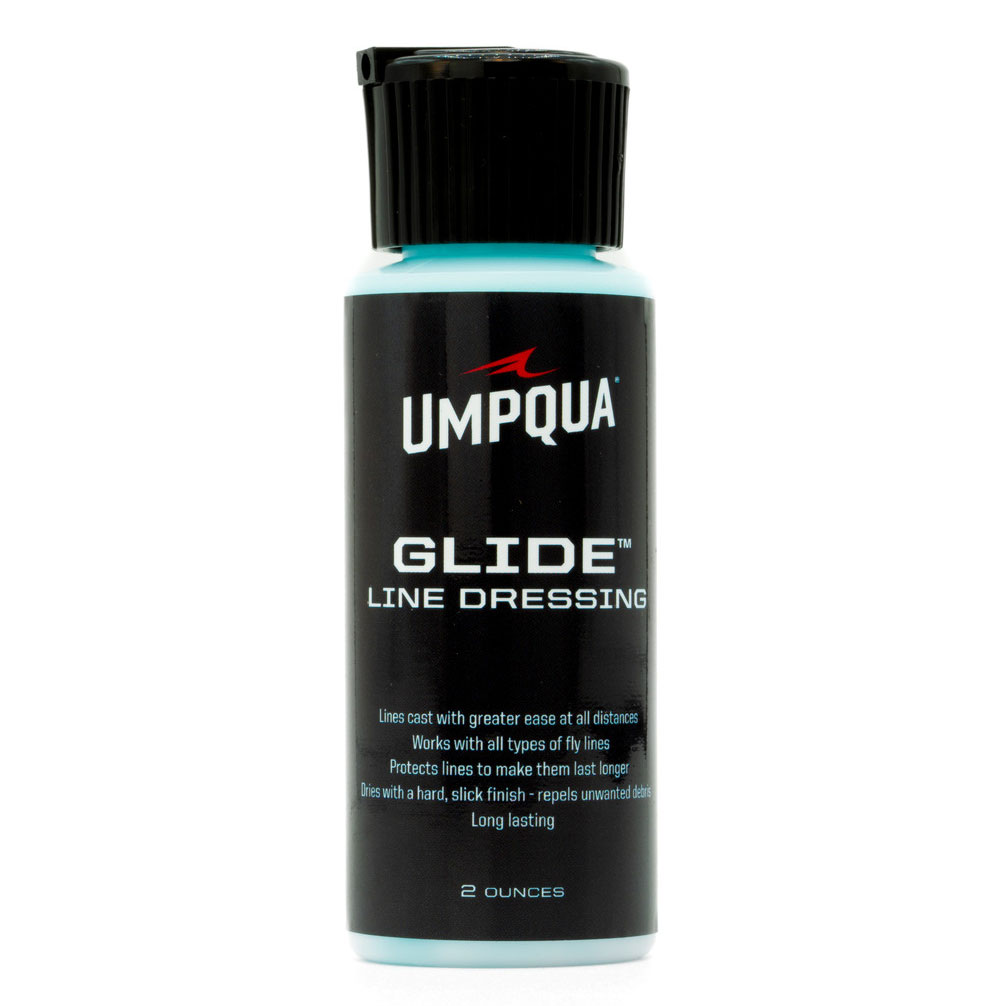
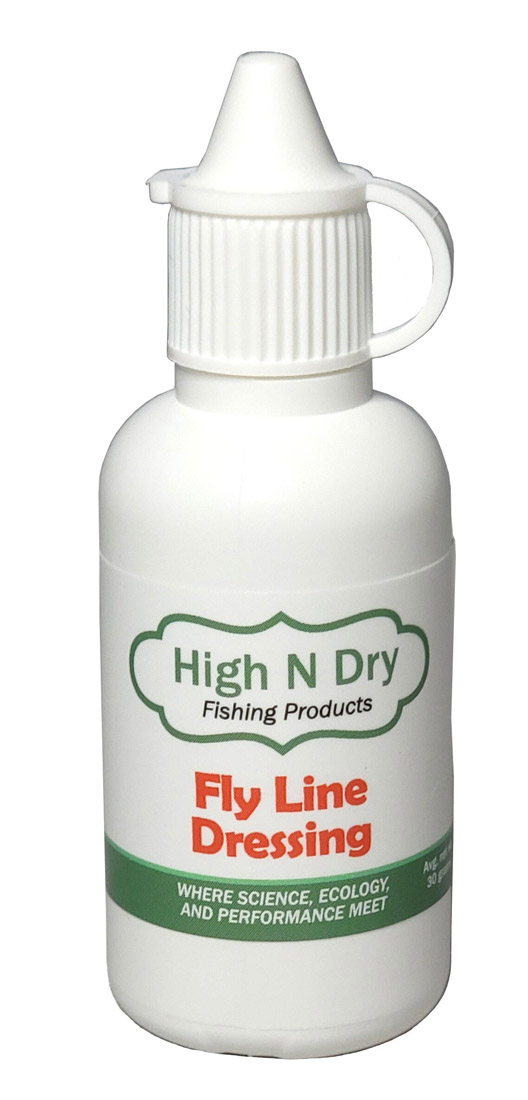
1. Cleaning and maintaining the fly line
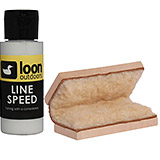
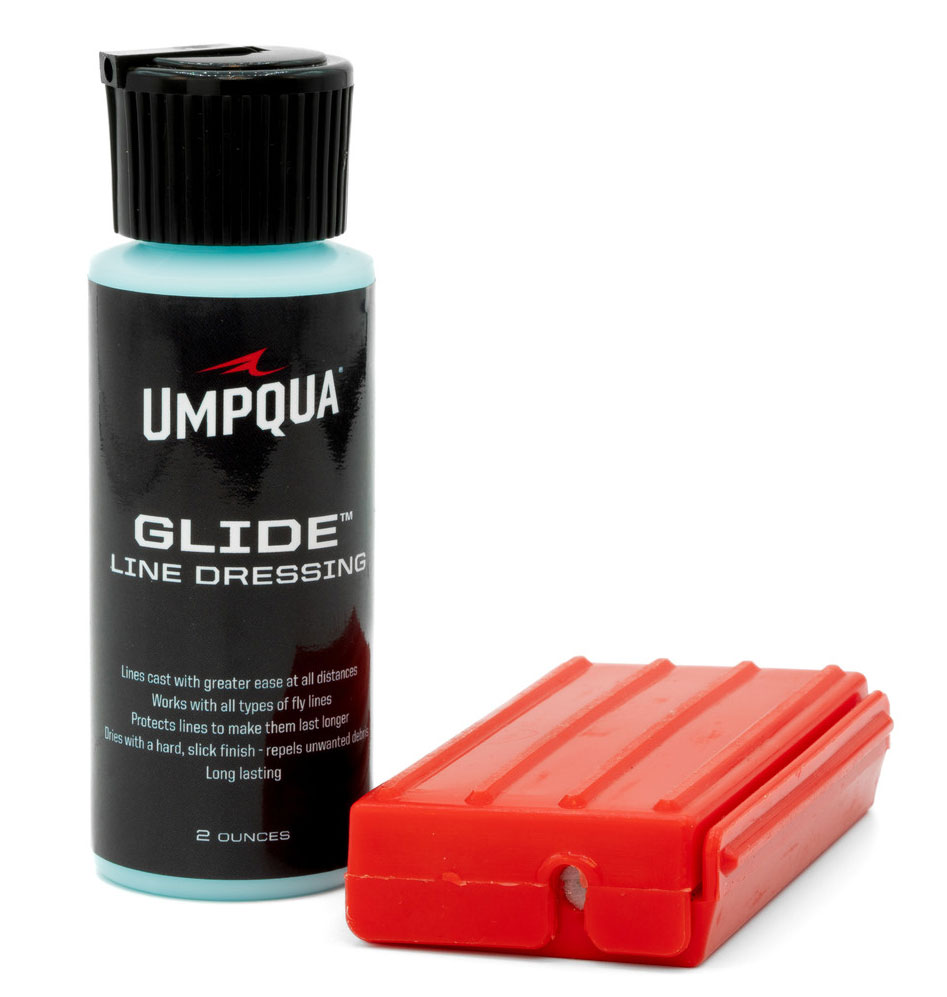
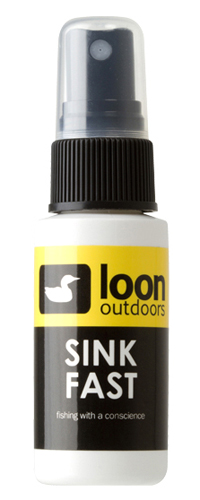
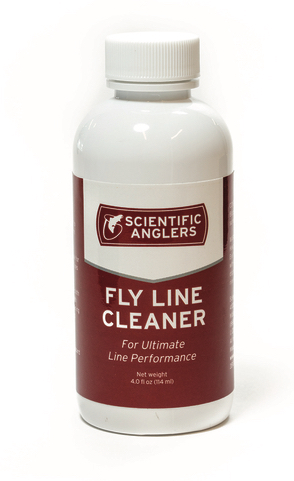
After a few months of inactivity, dust, dirt and deposits have often accumulated on the fly line. This makes the coating rougher, the line shoots worse and loses its buoyancy. Thorough cleaning with lukewarm water and a suitable cleaner usually brings back a surprising amount: better casting properties, less friction in the rings and more control overall. Also take the opportunity to check Loops and possible damage. Otherwise, small cracks can quickly develop into larger problems.
Line cleaning & care





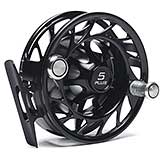
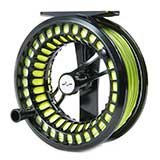
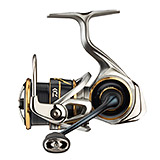
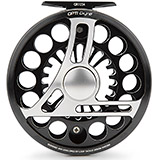
2. Check reel and brake
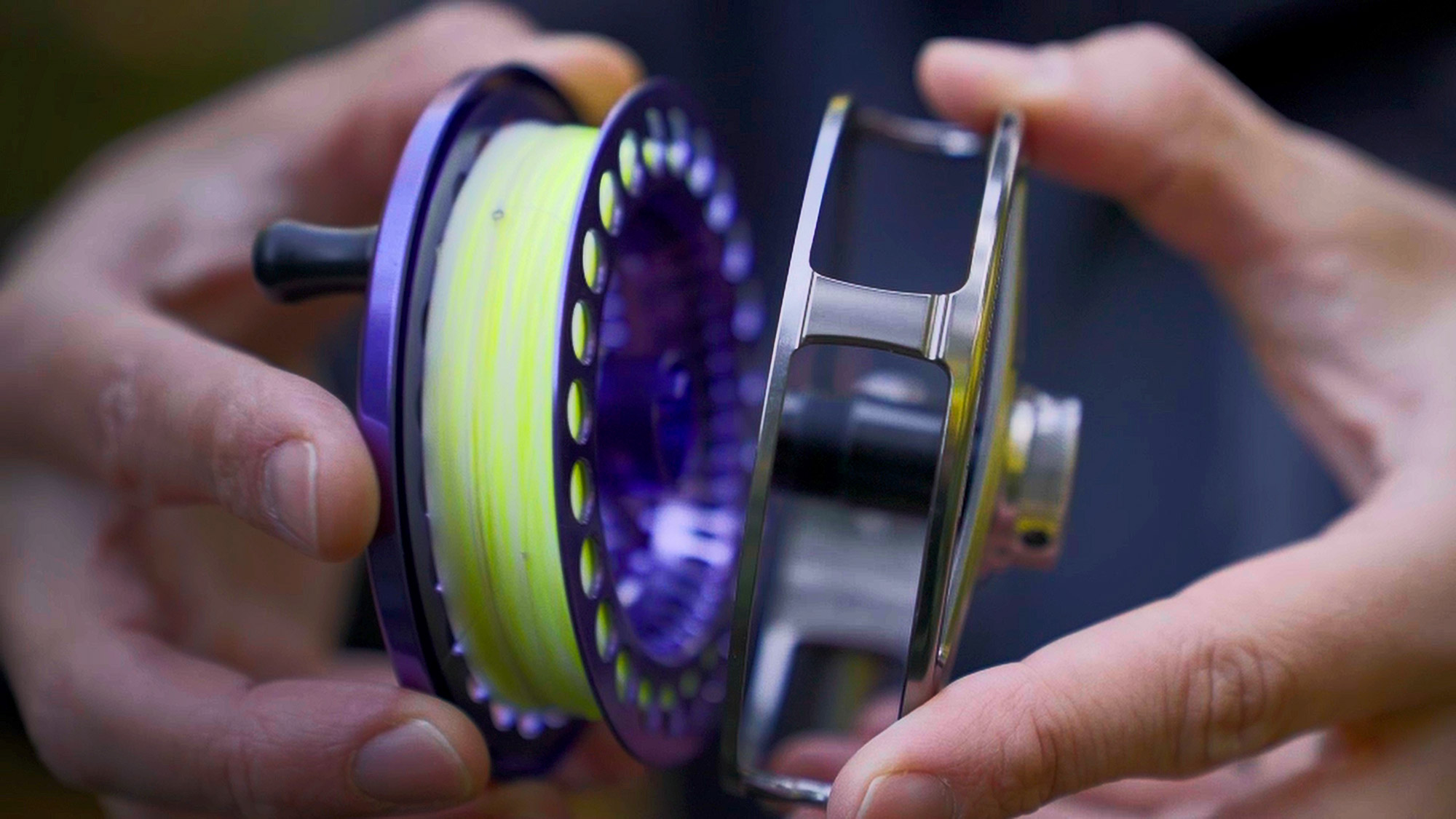
Reels also benefit from a little attention before the start of the season. Remove the reel, remove any dirt or sand and check the brake for smooth operation. Especially after use in damp or dirty conditions, abrasion can collect unnoticed. A quick check ensures that everything runs smoothly when it counts.
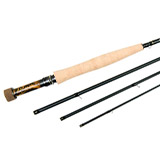
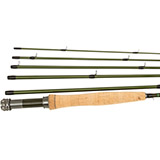
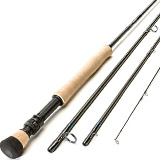
3. Take a close look at the rods
Check your rods carefully before using them for the first time. Connections should be clean and free of dirt to ensure a secure hold. It is also worth taking a look at the guides - small nicks or damage can damage the line. The handle can also be much more comfortable to hold after cleaning. This quick check only takes a few minutes, but can prevent expensive surprises.

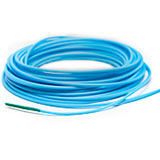
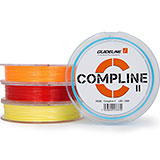
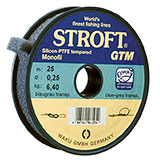
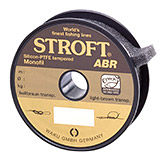
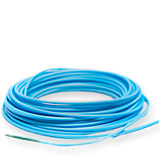
4. Replace and supplement leader material
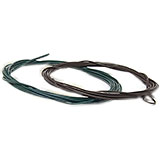
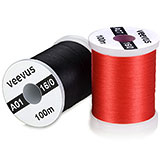
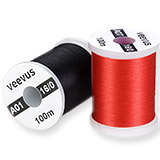
Leader material is often underestimated. Monofilament also ages when unused, especially due to UV light and temperature fluctuations. If tippet spools have been in your bag for a while, it may be a good idea to replace them or at least test their load-bearing capacity. At the same time, now is the right time to add any missing diameters. Nothing is more frustrating than realising on the water that exactly the required thickness is missing.
Leader and Tipppet material


5. Sort and prepare fly boxes
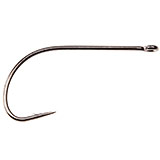
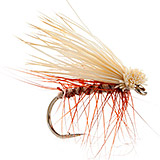
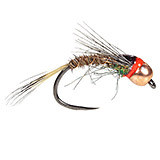
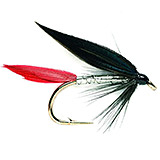
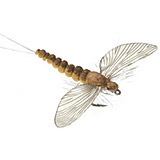
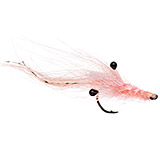
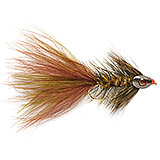
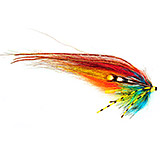
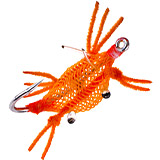
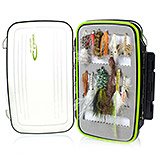
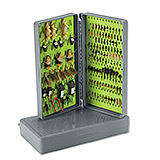
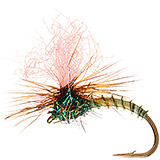
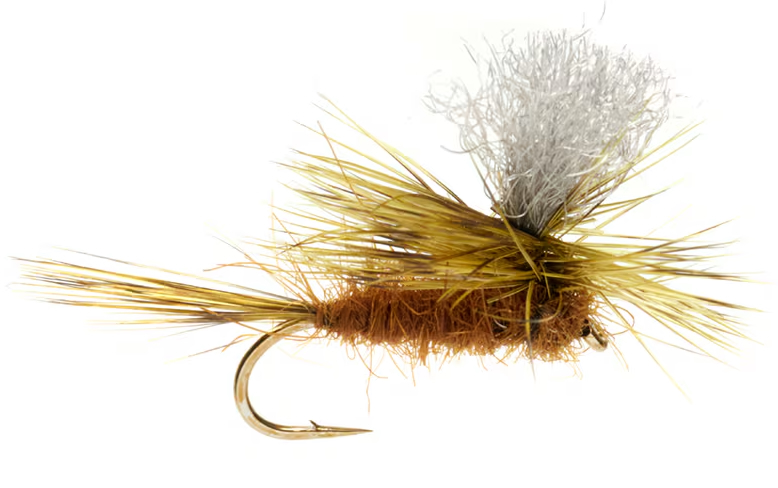
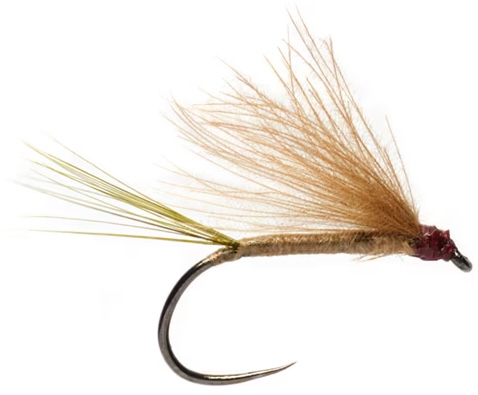
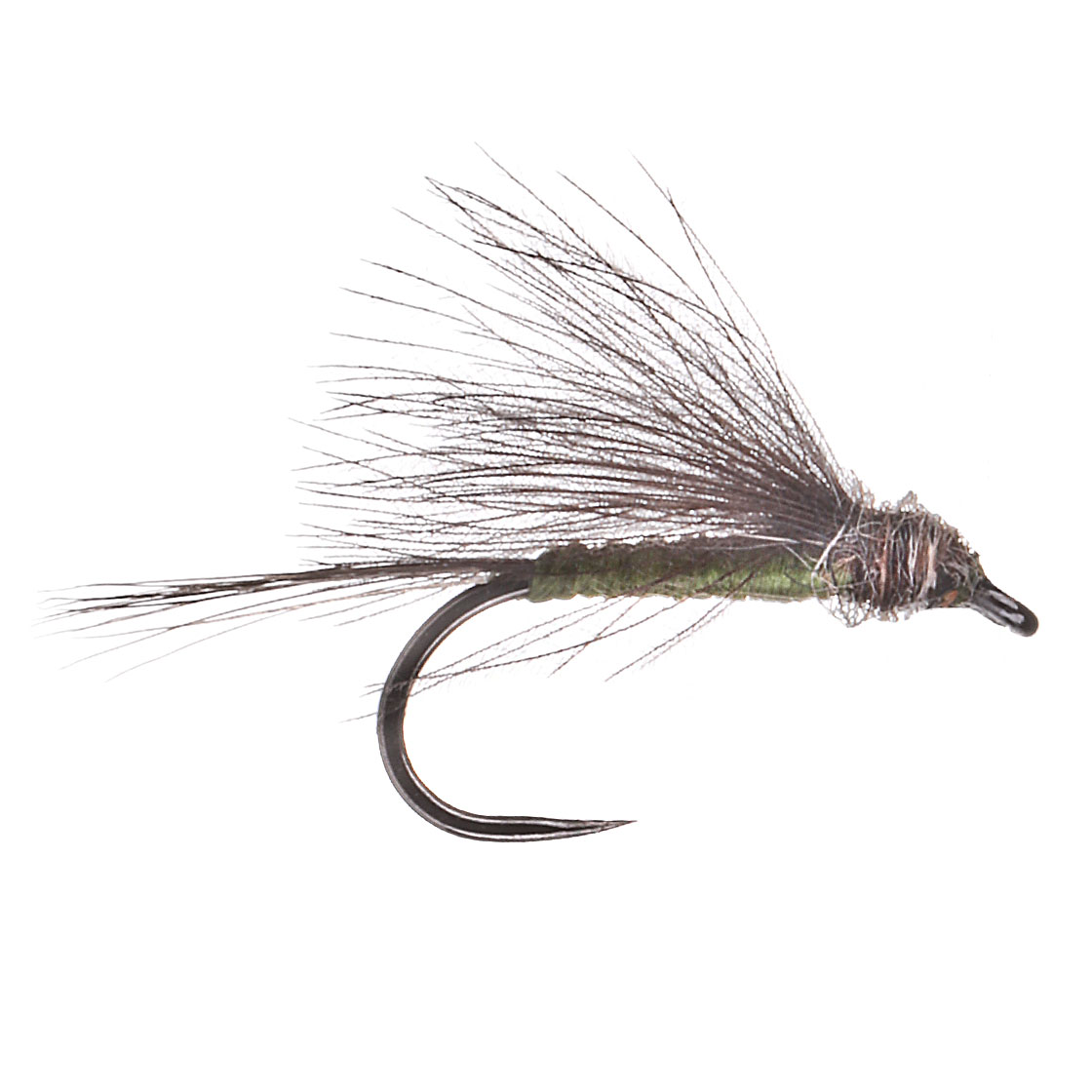
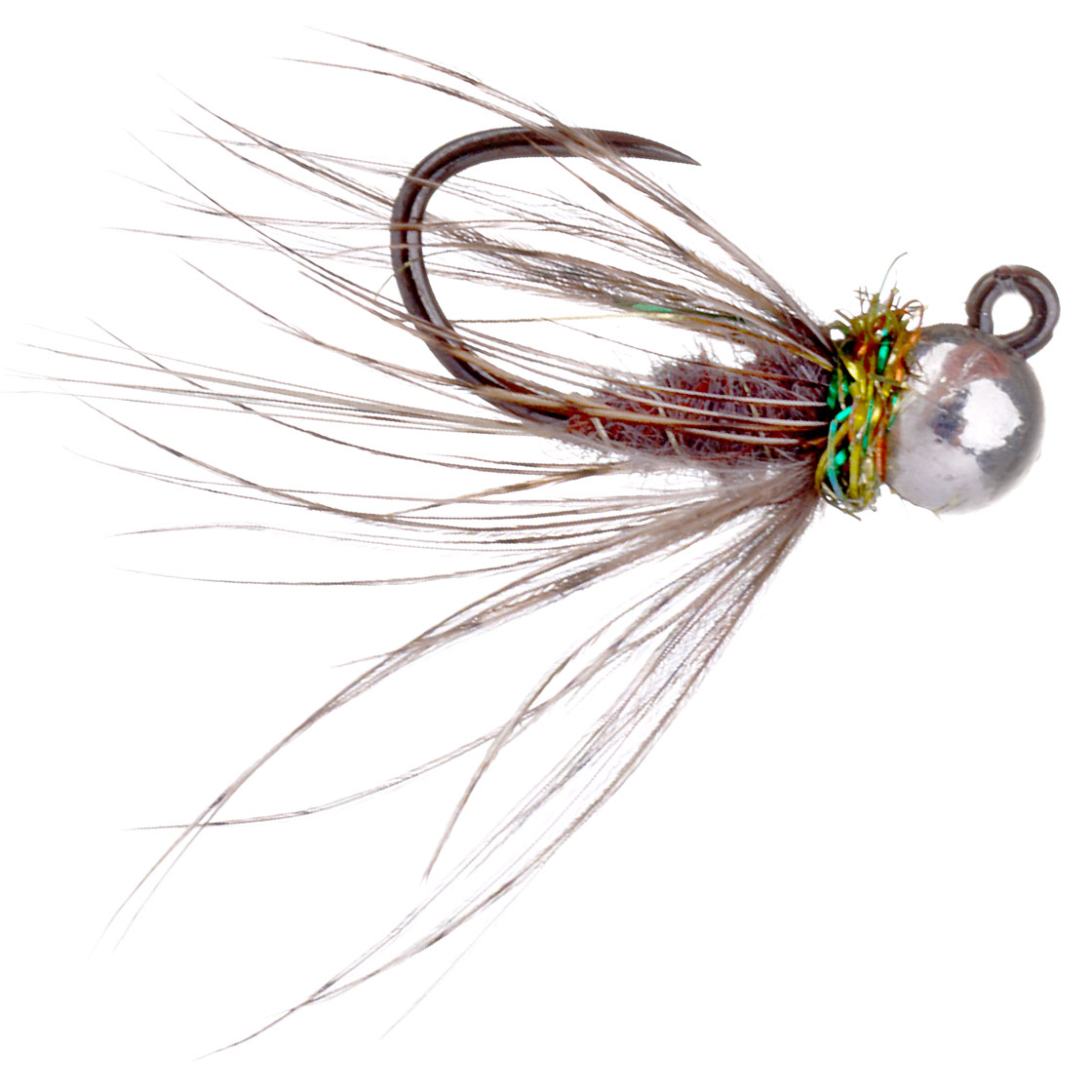
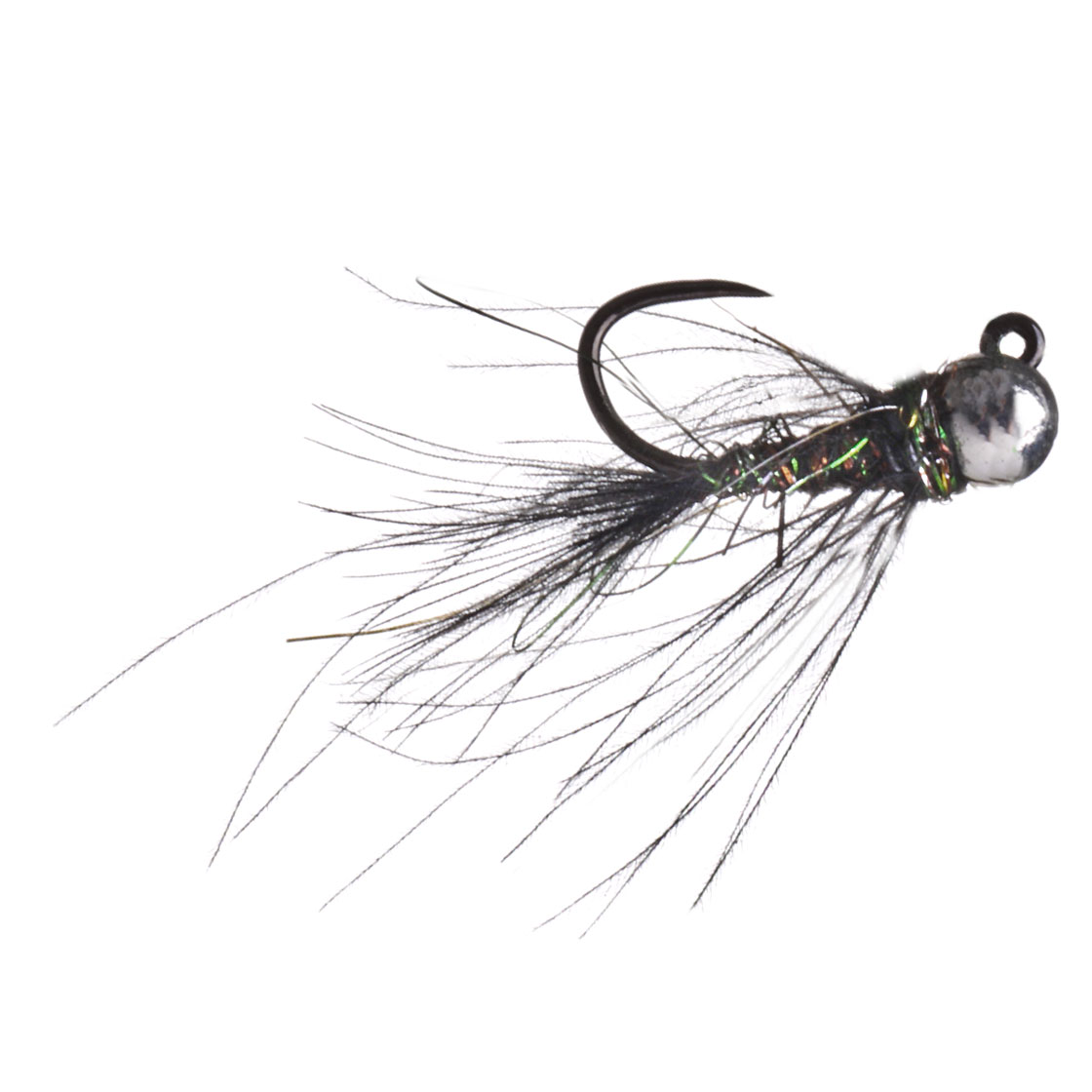
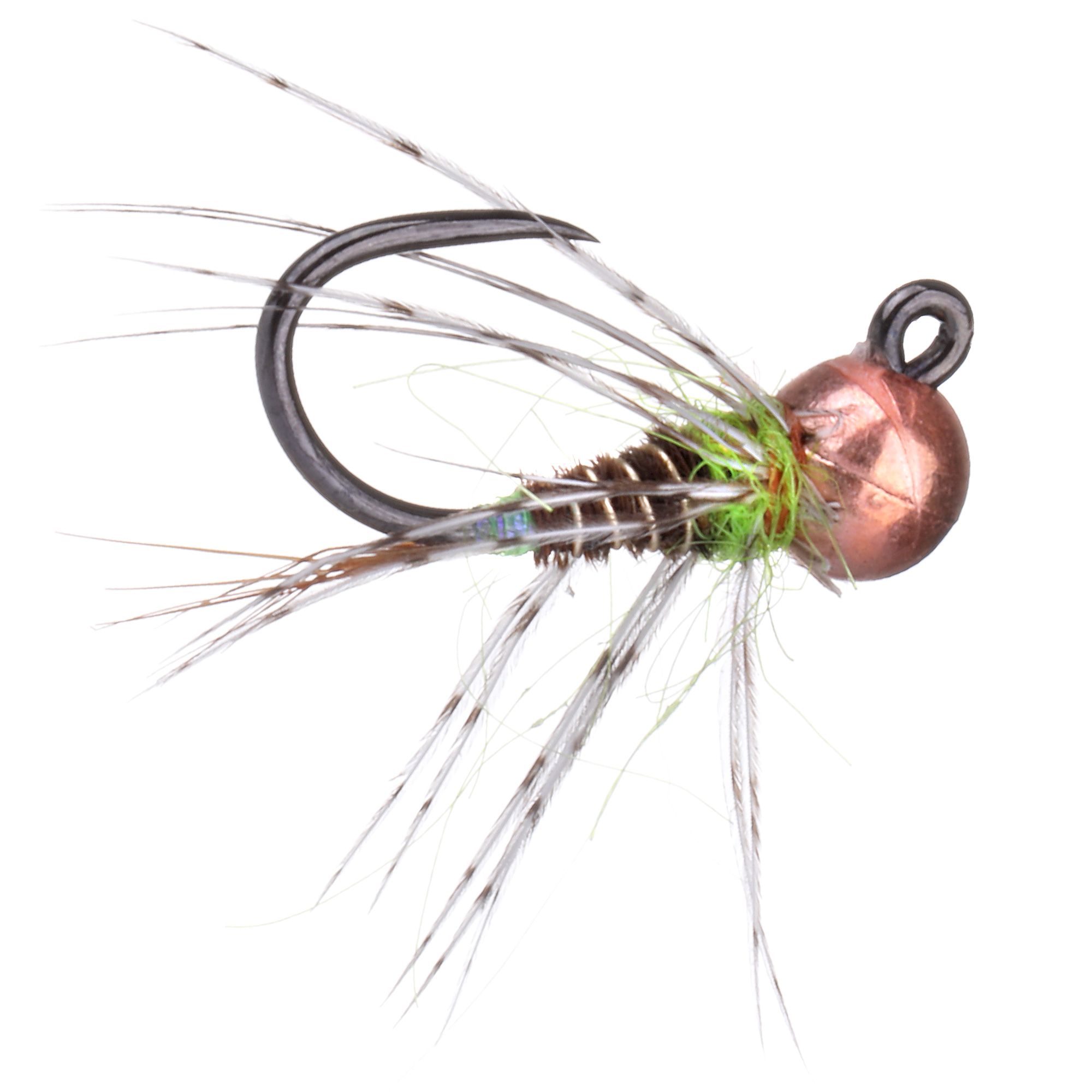
The winter break is the ideal time to tidy up the fly boxes. Rusty hooks, damaged patterns or crushed dry flies should be sorted out. At the same time, you can add or retie important patterns. Many fly fishermen deliberately put together a "spring box" - with nymphs, small streamers and early dry fly patterns. This saves time on the water later on and provides a better overview.
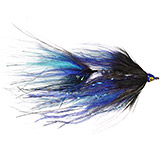
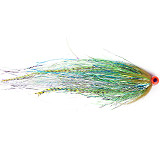
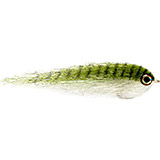
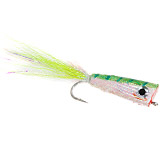
Suitable patterns for the start of the season - our recommendations



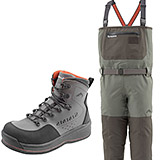
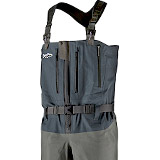
6. Check waders and clothing
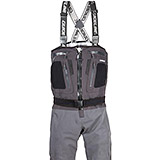
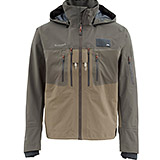
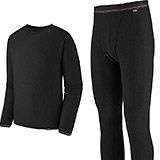
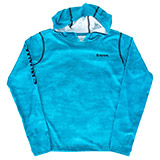
Cold water in spring does not forgive leaks. It is therefore worth taking a close look at your waders and wading clothing. Small holes or leaking seams can usually be repaired without any problems if they are discovered in good time. Zips and Velcro fasteners should also work. In the case of breathable clothing, a new waterproofing treatment can be useful to restore performance.
7.Don't forget waders and safety
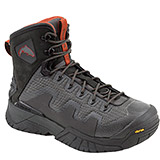
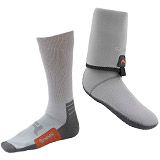
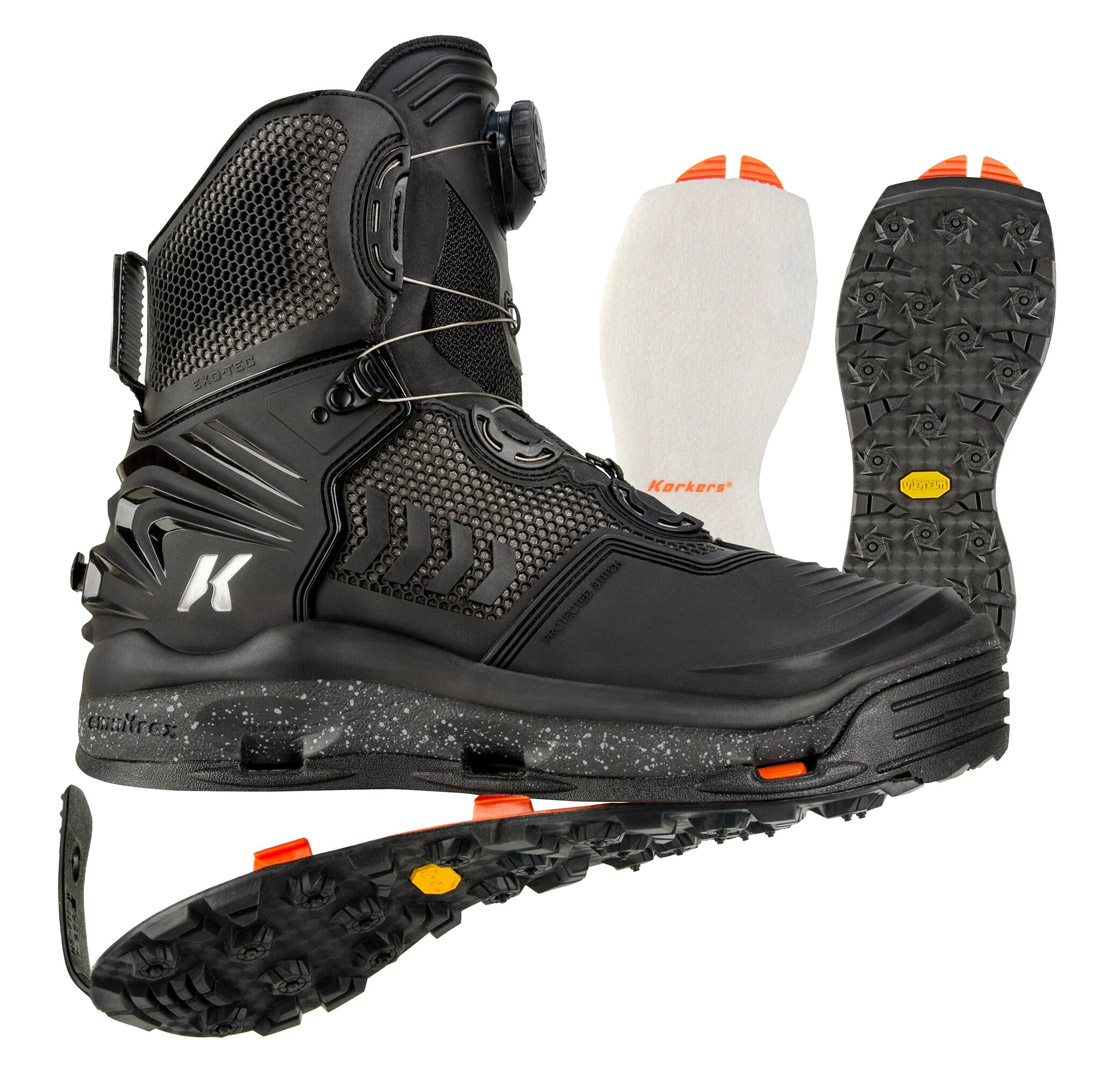
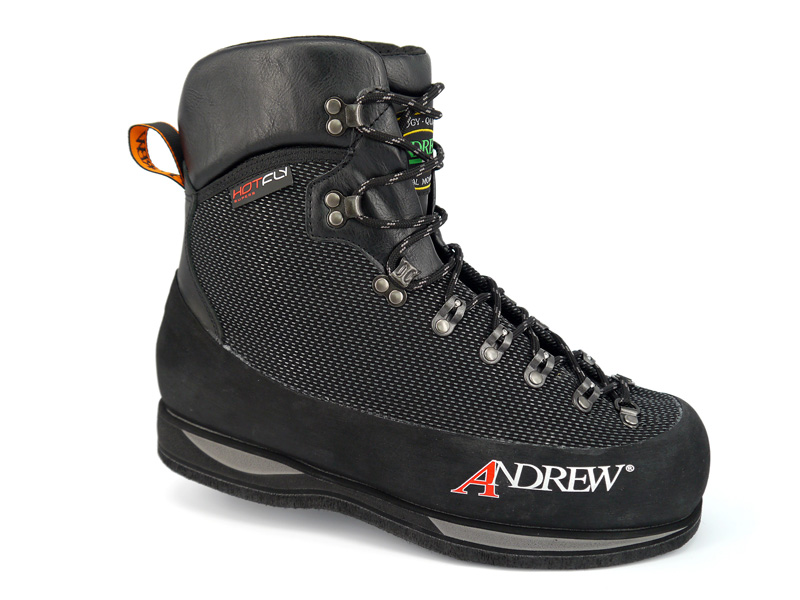
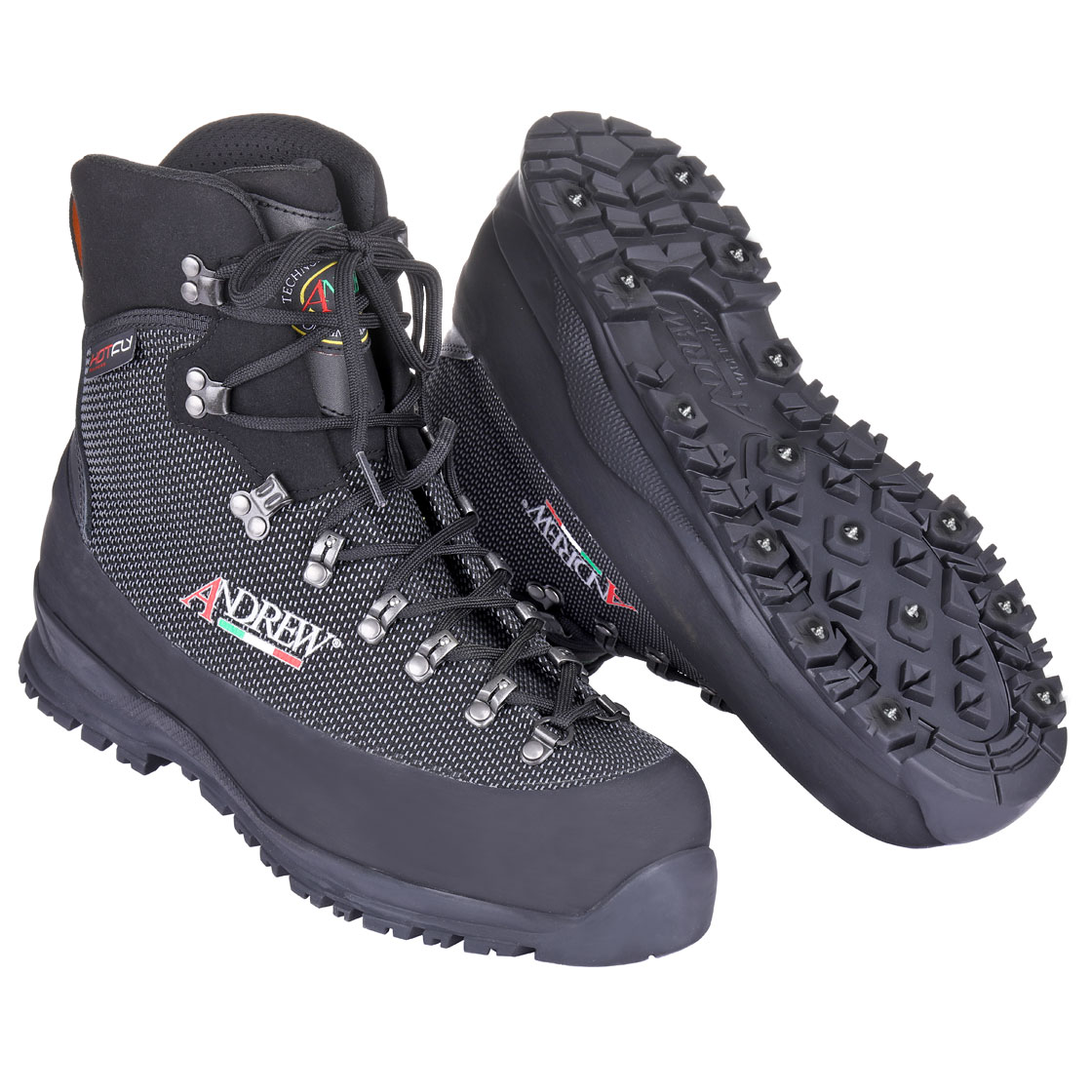
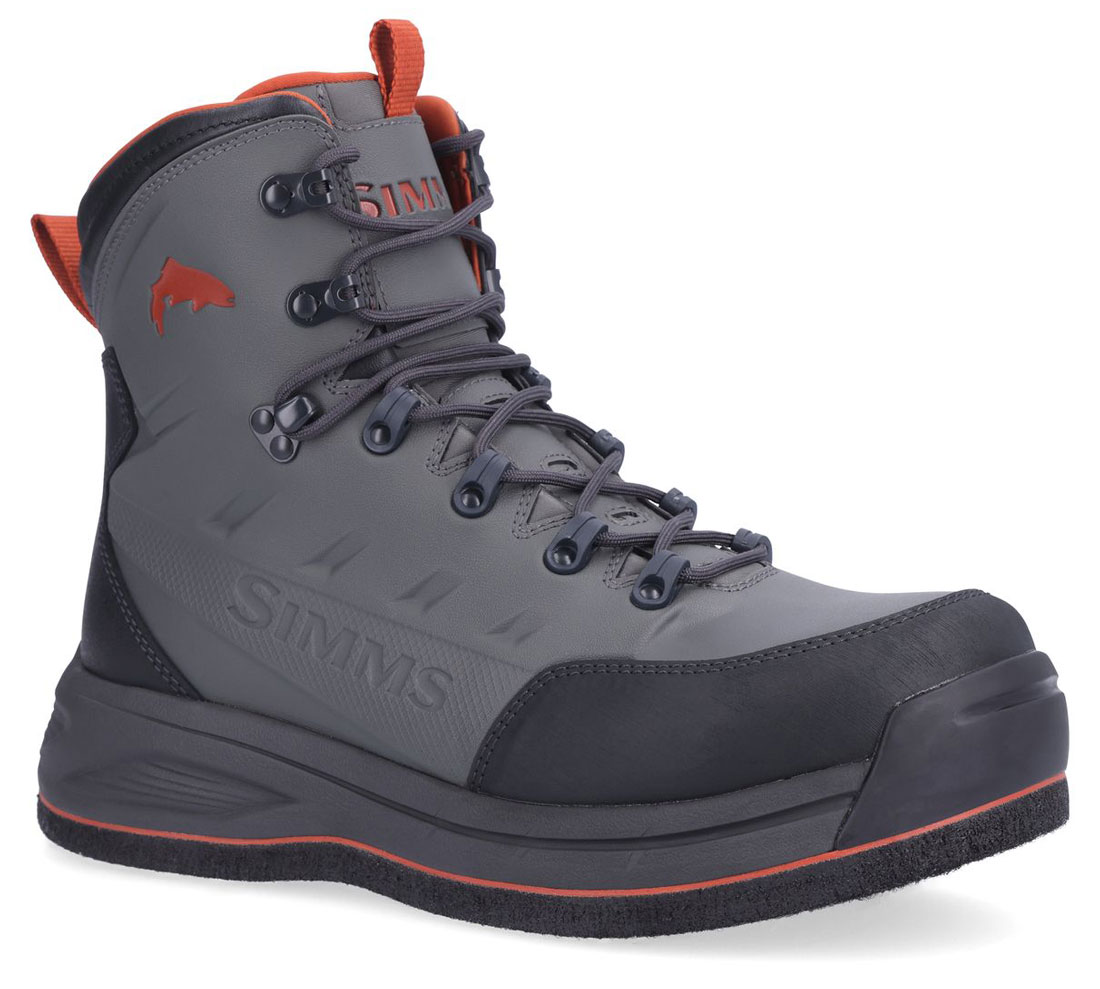
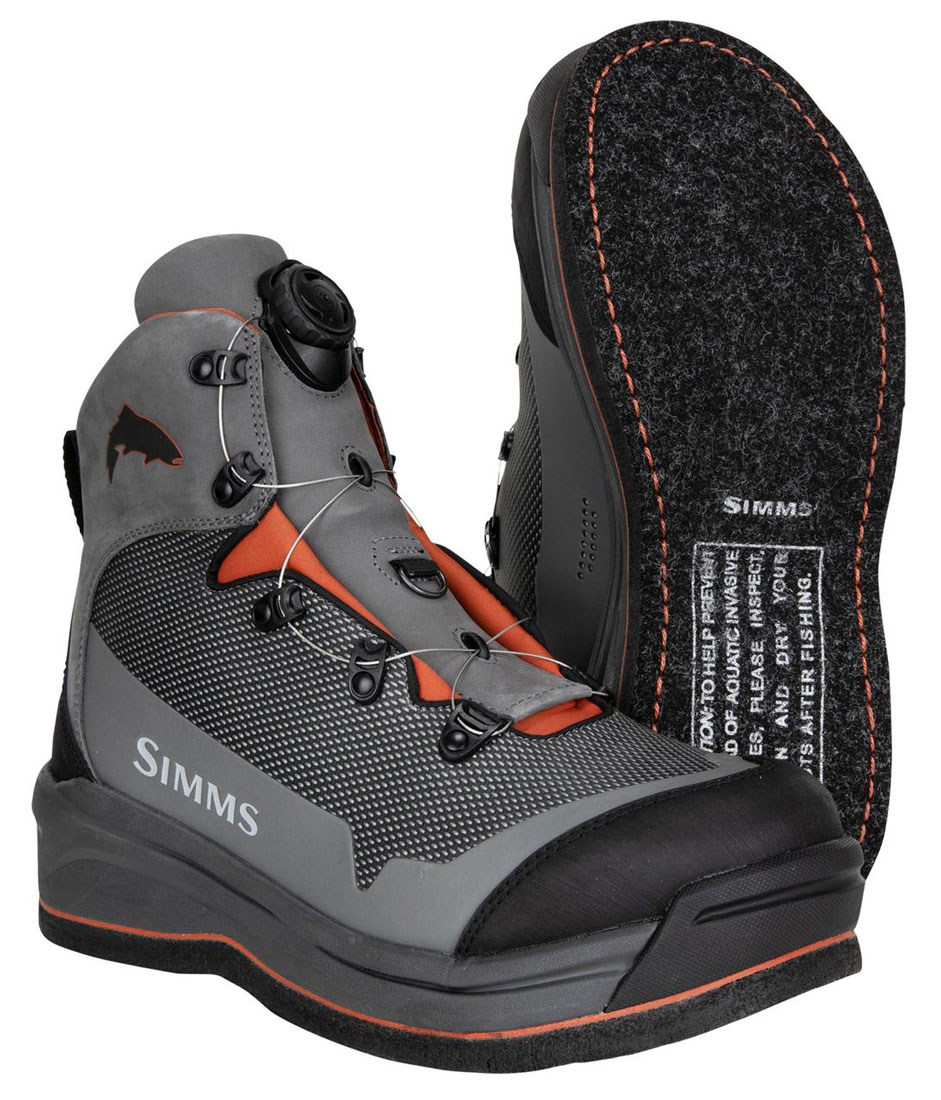
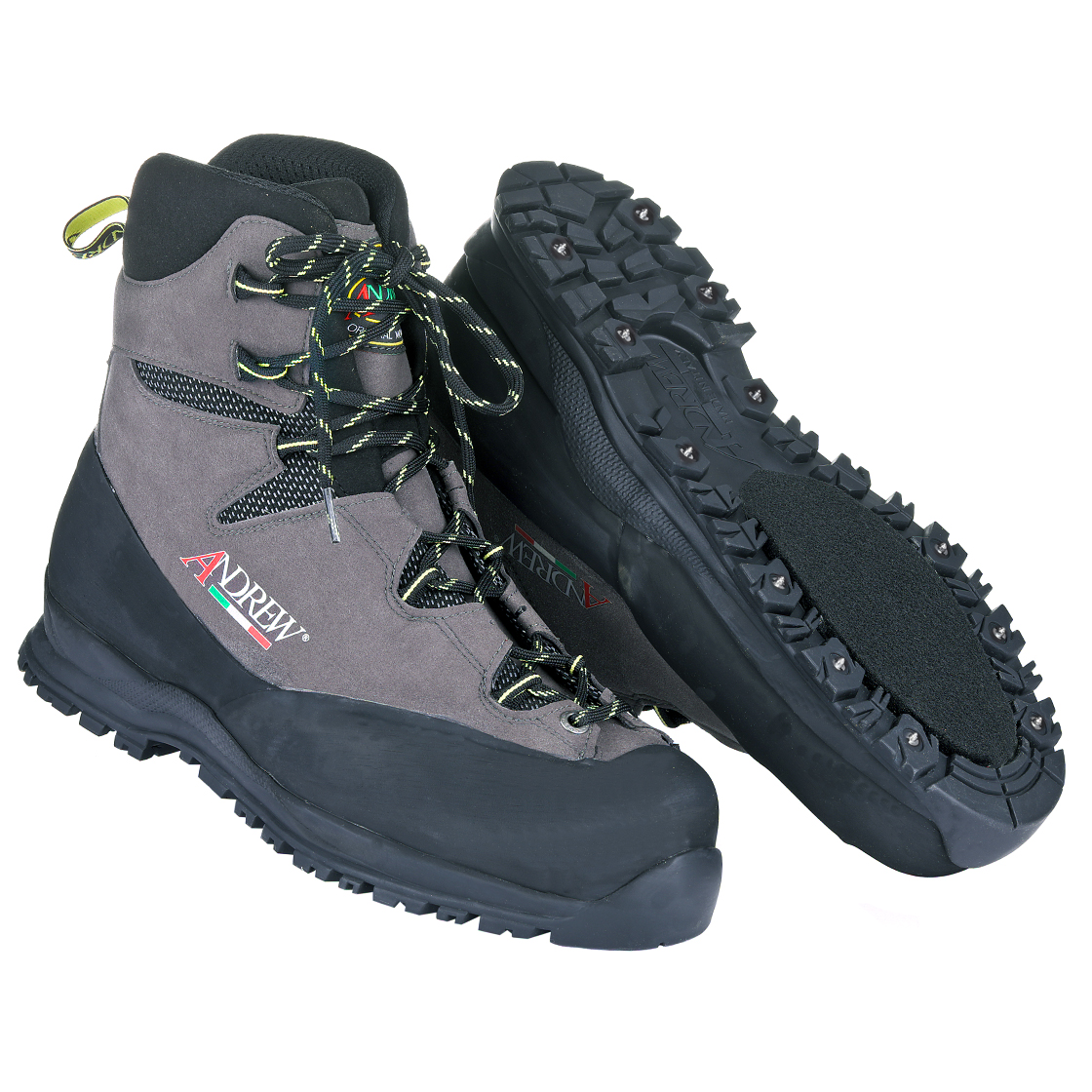
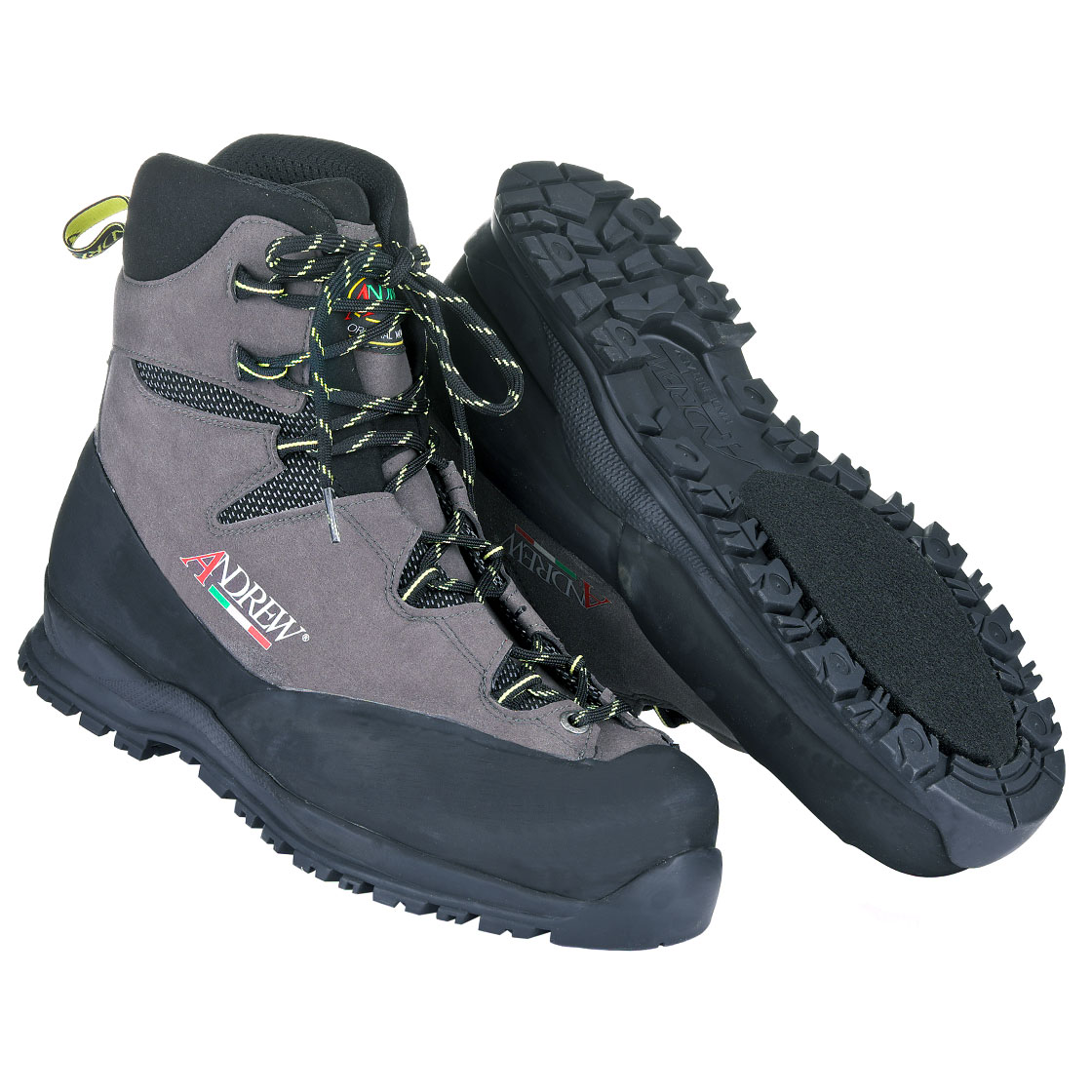
A good grip is crucial, especially at the start of the season when water levels are higher and stones are more slippery. Therefore, check the sole profile, spikes and laces of your wading boots. Worn soles significantly reduce safety. A stable stance makes fishing more relaxed - and safer.
The right footwear is crucial - our recommendations
P-25788M

P-23262M



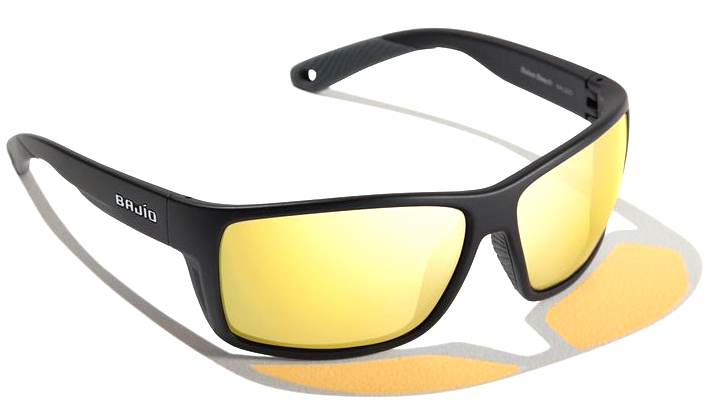
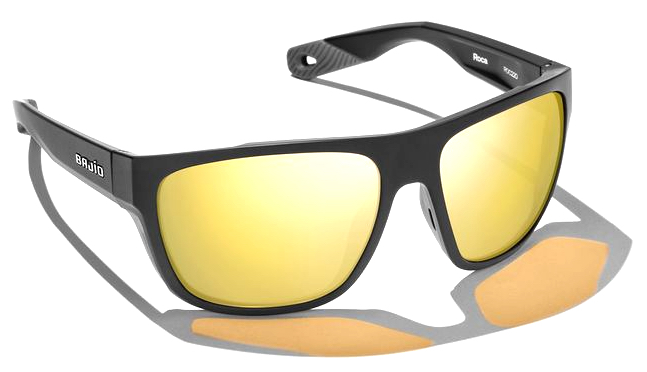
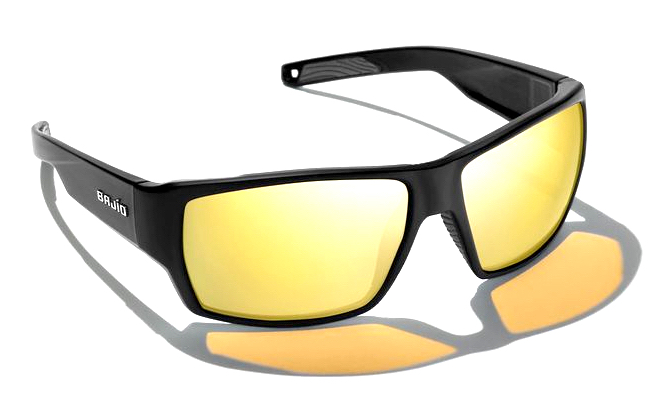
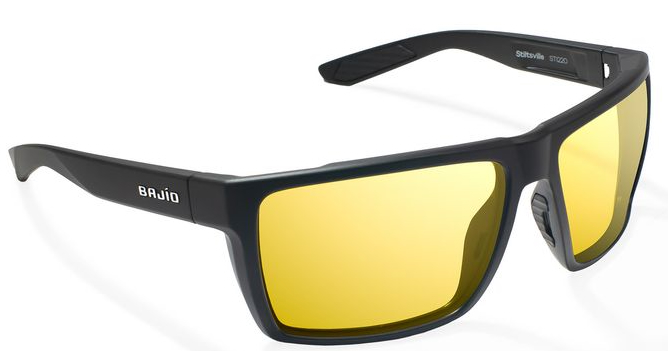
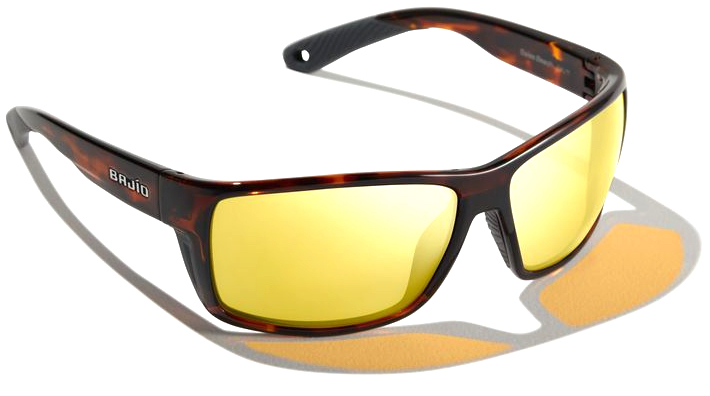
Polarised glasses for stream & river
P-24934
P-24937
P-24938
P-24930
P-24931
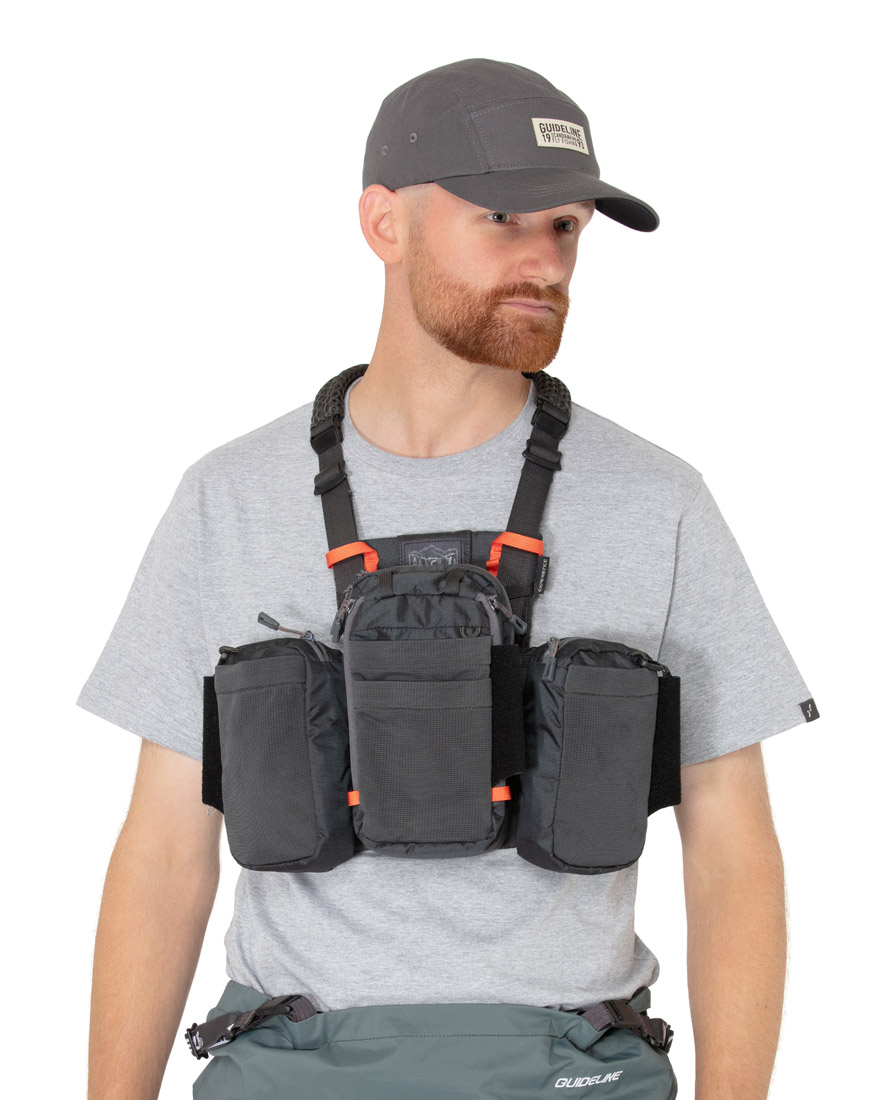
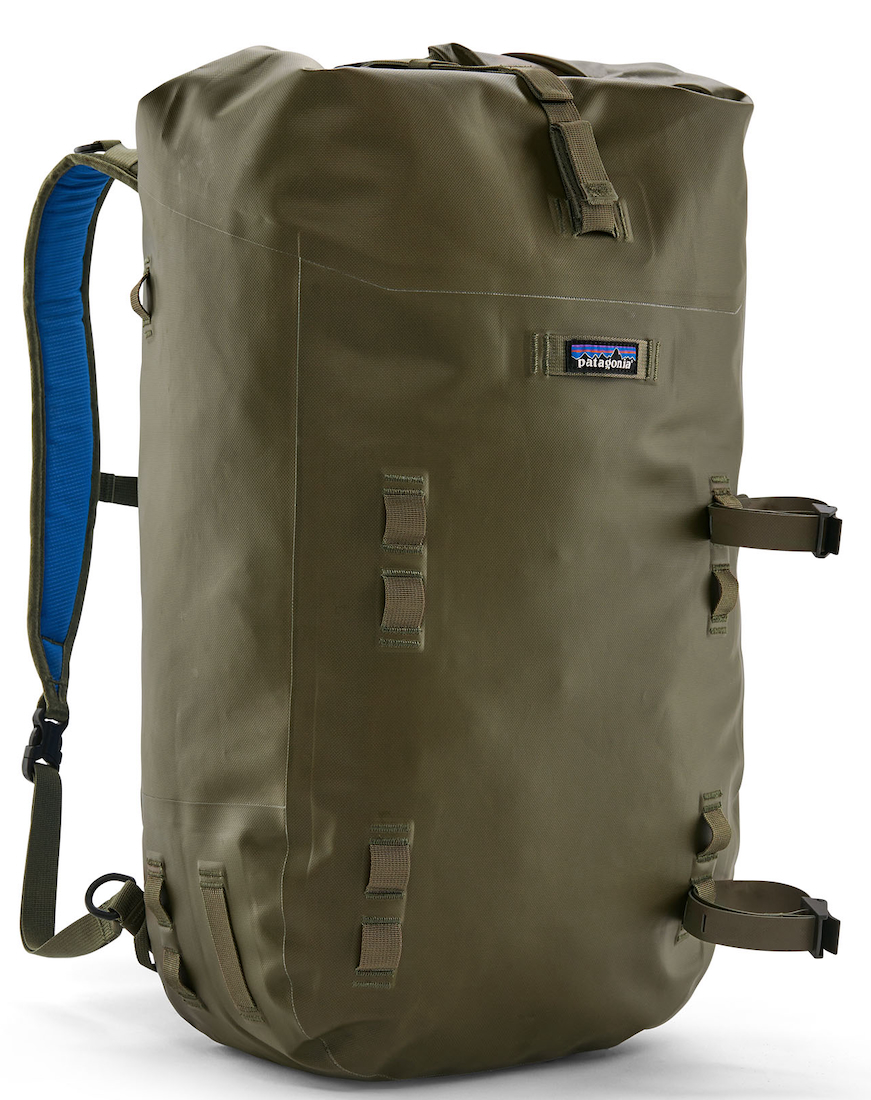
8. Organise bags, accessories and goggles
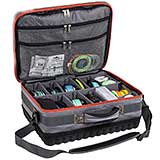
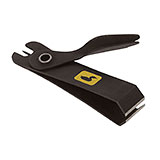
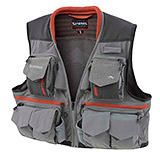
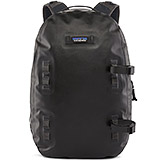
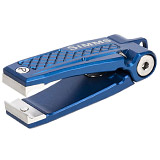
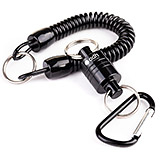
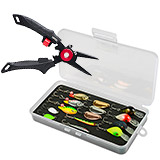
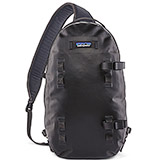
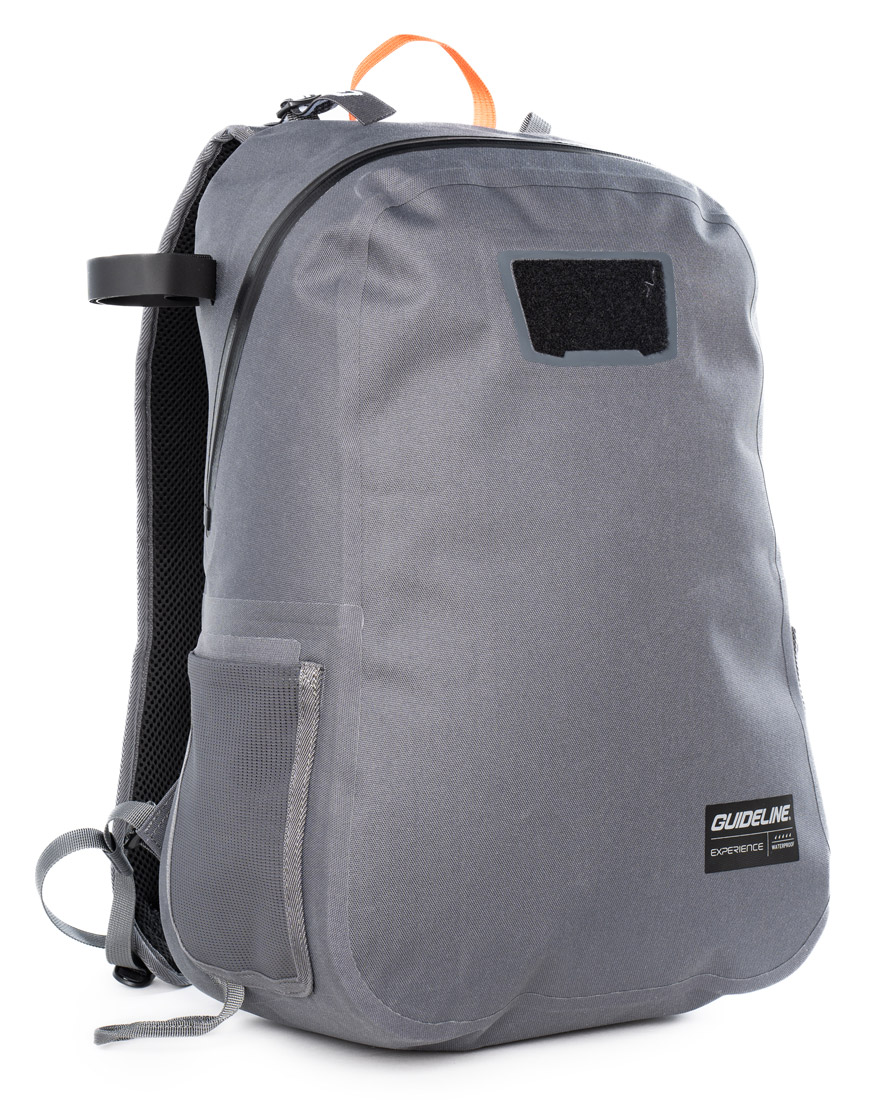
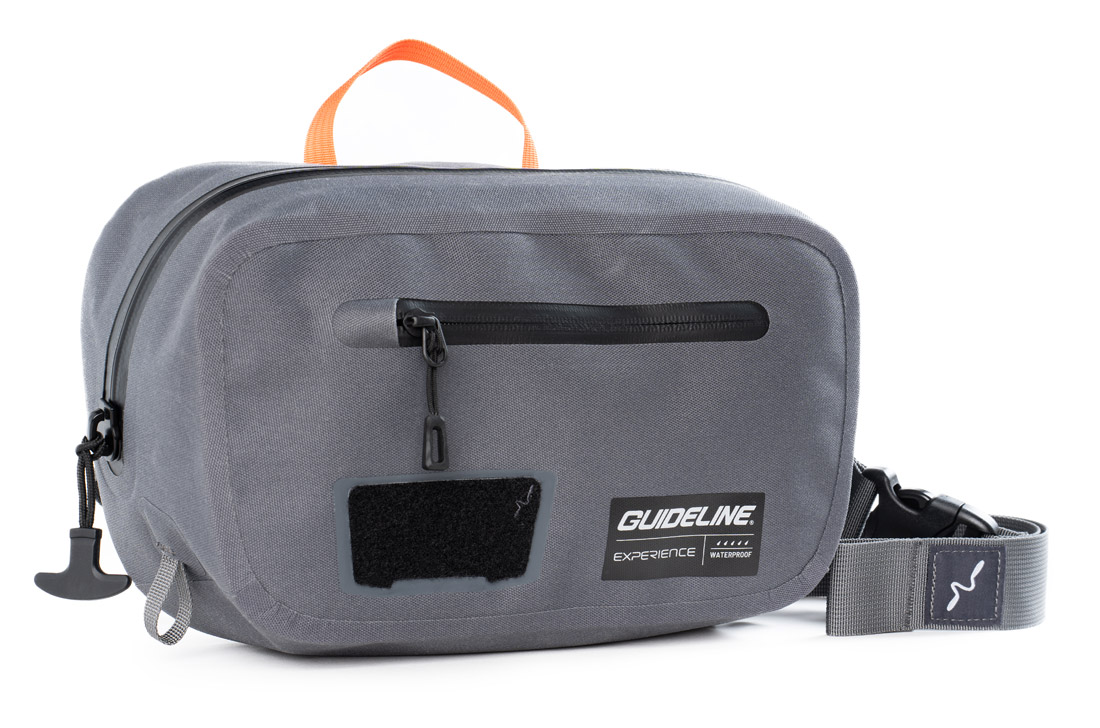
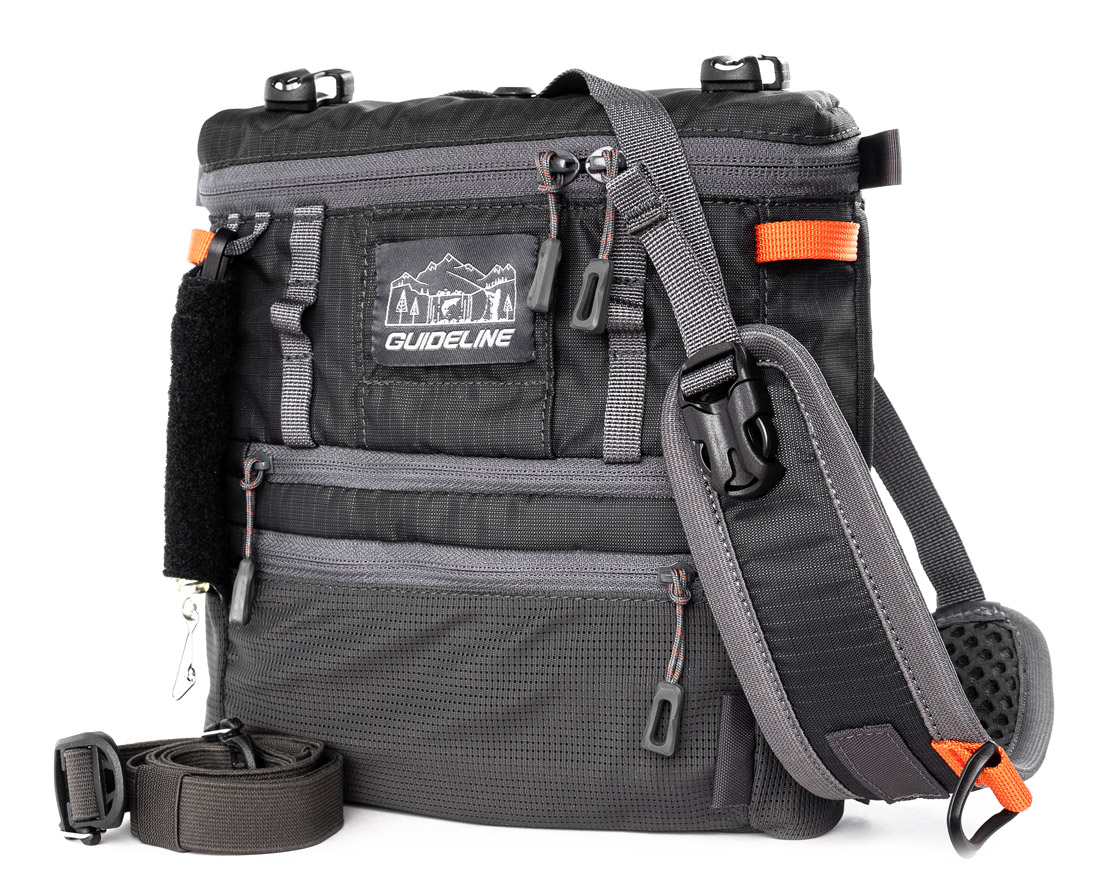
Over the course of a season, unnecessary ballast often accumulates in waistcoats, rucksacks and bags. Use the preparation to simplify and reorganise your setup. Tools that work, clean pliers, fresh floatants and easily accessible small parts make you much more efficient on the water. A tidy system saves time and nerves - and ensures that you can concentrate on the essentials.
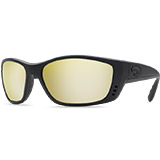
Choosing the right polarised goggles also plays a particularly important role at the start of the season. The light is often flatter in spring, the sun is lower and many days are still cloudy. Yellow or amber-coloured lenses with high contrast enhancement are therefore often the first choice because they make structures under water more visible and improve perception. Especially in changing light conditions, the right goggles can make all the difference - both when recognising fish and for your own safety in the water.


Bags and packs - our highlights

P-27886


P-28236
9. Refresh knots and practise casting
After a long break, even simple knots sometimes feel unfamiliar. It is therefore worth practising and consolidating the most important knots again before the start of the season. This point is particularly important for beginners, as secure knots often determine whether a fish is landed or lost. Those who develop a routine here automatically fish in a more relaxed and confident manner.
A short casting session in the garden or on the grass also helps to reactivate timing and line control. If you need help: On our YouTube channel, we show all the important knots for fly fishermen step by step - ideal for refreshing or learning.


10. Consider strategy for the early season
Spring often means cold water and still little activity on the surface. Nymphs, small streamers and slow presentations are therefore often particularly successful. If you think about the water, conditions and suitable tactics in advance, you will save time on the water and significantly increase your chances of success.
If you want to expand your knowledge in a targeted manner, you can also benefit from courses and workshops. We offer various trout fishing events - both for beginners who want to learn the basics and for experienced fly fishermen who want to improve their technique and strategy. This can be a real boost for your own success, especially at the start of the season.
Conclusion: preparation increases success and enjoyment
Preparing for the season is not a necessary evil, but part of the anticipation. Clean equipment, sharp hooks and well thought-out organisation ensure that you can concentrate on the essentials on the water: the fishing itself.
A few hours of preparation can make the difference between an average and a really good start to the season.
We wish you tight lines and a successful start to the new fly fishing year!